
Are you thinking of how to get rid of carpenter ants naturally? Aside from general preventative practices, some natural ways to get rid of carpenter ants include sugar and baking soda baits, a water and soap mixture, pouring boiling water into the nests, adding a few drops of essential oils, using diatomaceous earth, boric acid, white vinegar, some non-toxic insecticides.
There are many natural ways to get rid of carpenter ants, so let’s take a look at the most popular ones.
Once carpenter ants have settled into your home, getting them out is not easy. There’s no shame in calling a specialist, but why not try to take care of the problem yourself first? Carpenter ants are a formidable pest. They’re big, damage your house, and burrow deep into its structure. Here’s what you can do to stop them.
Prevention Tips
A better solution to getting rid of a carpenter ant infestation is always to prevent it from happening in the first place.
These are good general practices to prevent carpenter ants from moving into your house.
- Don’t leave your food out for a long time, and clean up after making food in the kitchen.
- If you must leave food out, ensure it’s in an enclosed, air-tight container.
- Don’t leave dirty dishes in the sink or let trash accumulate in your house.
- Deal with water damage in your home immediately. Carpenter ants thrive in moist, damp places, as it makes it easier for them to chew through wood.
- Seal any cracks on the exterior of your house, and keep tree branches away from the walls.
See our guide on How To Prevent Carpenter Ants.
How to Get Rid of Carpenter Ants Naturally – 9 Tips
1. Powdered Sugar and Baking Soda Baits

Sugary foods are irresistible to carpenter ants. Make a mixture of powdered sugar and baking soda, and place it in several shallow dishes. Disperse these dishes around where you think the ants are.
They will come out from the nest to feast on the sugar, but they will also ingest some baking soda. Baking soda dries them out from the inside, making it one of the best solutions to kill carpenter ants naturally.
This method works. I’ve used it many times when needing to deal with these ants in the kitchen, pantry, or other locations where chemical solutions are not ideal.
2. Water and Soap Mixture
Mix two parts water and one part dish soap. Put the mixture in a spray bottle, and spray and wipe down the areas where you usually see the carpenter ants. This destroys their scent trails.
These ants come from carpenter ant colonies and rely on scent trails created by the other worker ants’ pheromones to travel, similar to how we use maps to navigate unknown areas. Cleaning the areas where the carpenter ants left scent trails destroys them. You can’t see scent trails, so wipe down as many surfaces as possible.
3. White Vinegar
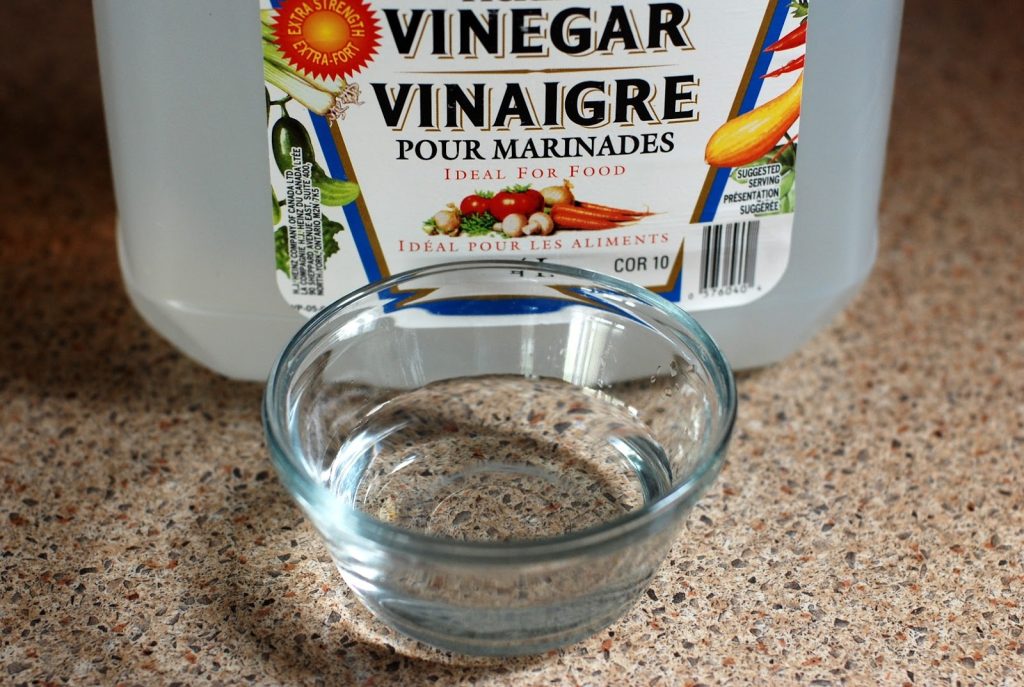
Mix one part vinegar and one part water, and put this mixture in a spray bottle. Spray down the suspected area, leave it for a few seconds, and then wipe it off.
This mixture is even more effective with a higher concentration of vinegar, but the smell might be unpleasant. It’s not preferable when you live with other people, but you should try it out if you live alone or your housemates don’t mind the vinegary smell.
4. Boiling Water
Boiling water is the most natural ant-killing agent there is. It is effective for ant nests located outdoors.
Try not to use this method if you have carpenter ants in your home. When the water cools, the damp wood becomes an ideal environment for more ants to move into. If you’ve found the nest and have access to it, boil a gallon of water. The more boiling water, the better, but you don’t have to boil it all in one go.
Carefully pour the boiling water directly on the ants’ nest. Be careful not to burn yourself, and watch out for the ants that’ll come running out of the nest.
5. Essential Oils
Add a few drops of essential oils to your boiling water or soap and water mixture. Essential oils are very aromatic, interrupting the carpenter ants’ scent trails.
You can use lemongrass, clove, orange, peppermint, or tea tree oil. Any essential oil with a strong scent will work against carpenter ants, but these are just the ones that are the most effective.
To use essential oils by themselves, take a towel or a rag and pour a few drops of your chosen essential oil on it. Wipe down tables, countertops, floors, windowsills, or anywhere you think might be an entry point for a carpenter ant.
I’ve never tried this solution but I have heard of it being effective.
6. Cinnamon

Cinnamon is very pungent, which means carpenter ants hate it. It interrupts their scent trails and is a natural insect repellent. Sprinkle some cinnamon around the suspected area and the ants’ entry points if you know them.
Cinnamon also smells much nicer than vinegar to humans, so it’s preferred over vinegar. It also repels other insects apart from carpenter ants, which is an additional benefit.
7. Diatomaceous Earth
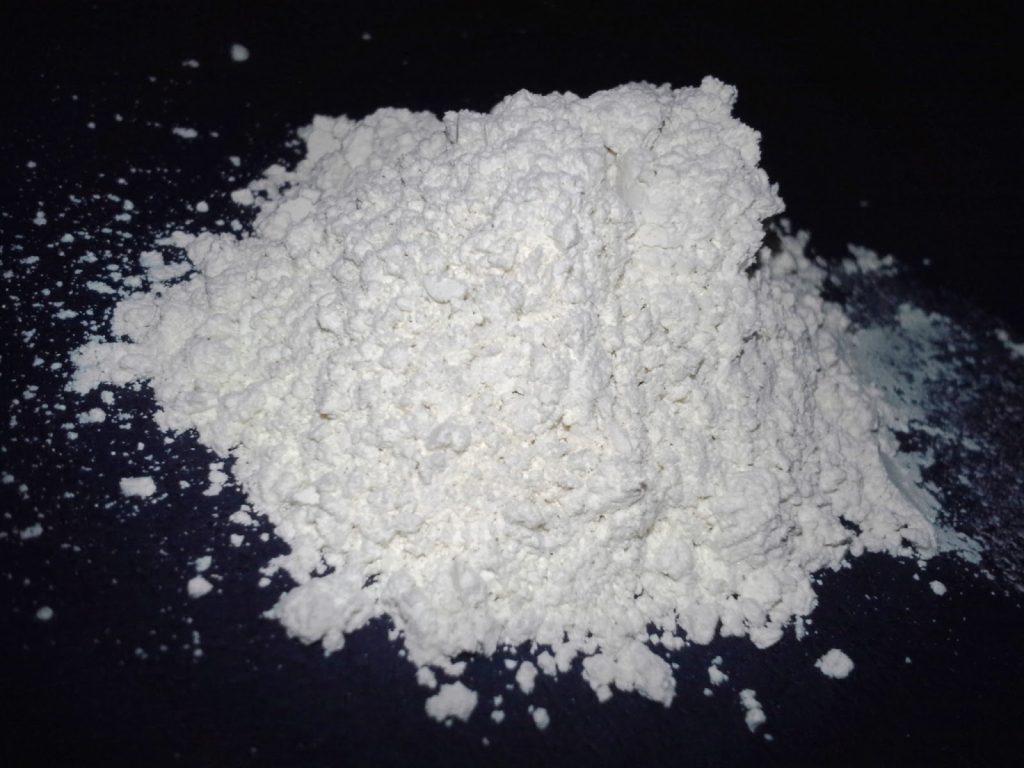
Sprinkle some diatomaceous earth where you’ve seen the most ants or on their nest if you have access to it. Diatomaceous earth is quite abrasive, damaging the ants’ exoskeleton. It’s also toxic to carpenter ants who consume it.
You can purchase Diatomaceous earth online (link to Amazon).
8. Boric Acid
Boric acid works well to exterminate carpenter ants already living in your walls. You have to drill ⅛ ich holes throughout the infested area, each hole being 6 inches apart from the next.
Then, take a bulb duster filled with boric acid and use it to push the acid into the holes. The carpenter ants will eat it, which slowly kills them. Repeat this method as needed.
9. Non-Toxic Insecticides
There are such things as non-toxic insecticides, and they’ve become much more viable after the negative effects of insecticides came to light.
Ask for non-toxic insecticides in your area, and thoroughly research your options to ensure the product is truly non-toxic. This is a great way to deal with a carpenter ant problem.
Final Thoughts
Carpenter ants aren’t easy to deal with, even with conventional pest control methods. However, it’s always worth investigating if you can fix something yourself before calling a professional.
If any of these natural methods to create carpenter ant bait to exterminate carpenter ants works for you, remember it and pass that knowledge down to someone in need. You don’t stand much to lose by trying these methods out, and you might even save yourself some much-needed money!
Recommended Reading: