
If there’s one thing great about winter, it’s that we can finally get a break from all the pesky insects that swarm around during the summer.
But what about the carpenter ants in the winter that make their homes in our houses and buildings? Where do they go during the winter months, and will they ever come back once they’ve left?
In short, carpenter ants do indeed go into hiding during the cold weather. However, they don’t hibernate, like many other cold blooded insects. Instead, they spend their time deep inside a cozy nest that’s insulated with man-made insulation or even just dirt and leaves.
In this article, we’ll look at carpenter ant behavior so we can better understand these creatures’ winter habits.
Carpenter Ants & Diapause: At a Glance
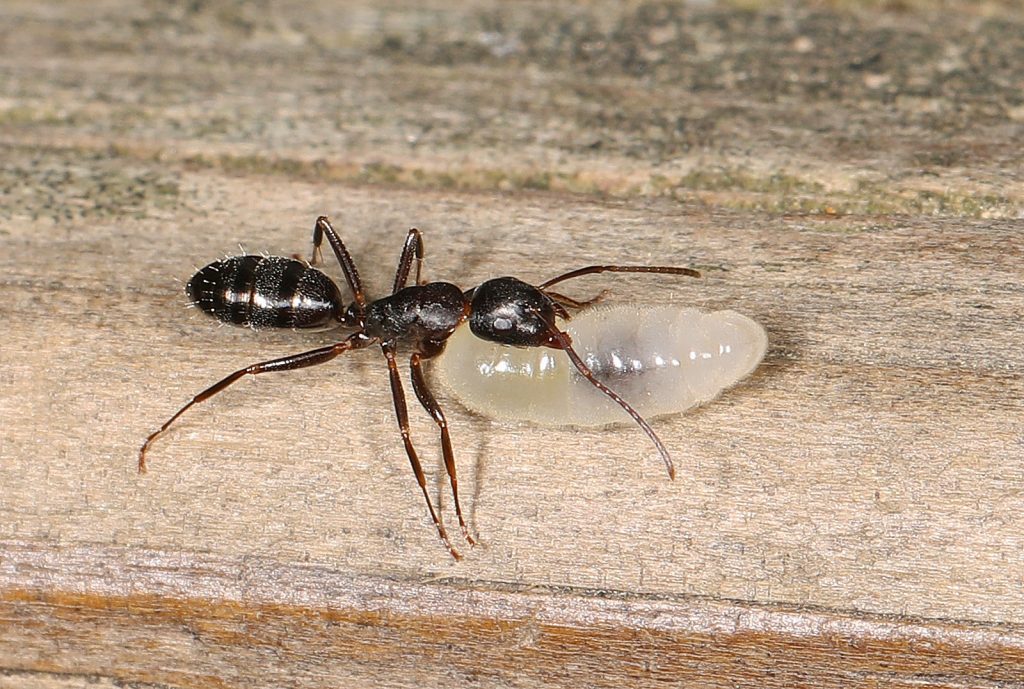
In nature, there are two types of dormancy that nocturnal insects can undergo: diapause and hibernation.
While hibernation is a type of long-term dormancy, where the insect’s entire life cycle comes to a standstill, diapause is different. During this stage, the insect prepares itself for winter while still remaining active.
Carpenter ants fall into this category. While they’ll stay inside their cozy nests during the winter months, using stored resources from the previous season to keep them going, they will occasionally wake up to get food and water.
These ants tend to go underground during the coldest months, sometimes even burrowing into logs that are outside of your home. But don’t worry – carpenter ants rarely store enough food to last them through the whole winter, so they’ll likely come back out at some point once spring arrives.
The nocturnal nature of carpenter ants means that they aren’t typically seen in the winter months. While it’s certainly possible to see them around during this time, you may also find them inside your home, where they’re likely to be causing damage as they search for more food and water.
So if you’re wondering where these ants go in the winter, know that they use diapause to hibernate until the weather warms up. Then they’ll venture back into the world, ready to explore and eat wood again.
Diapause Doesn’t Mean That Carpenter Ants Are Gone
While carpenter ants do go into a type of dormancy during the winter, it doesn’t mean that they’re gone for good.
See, we humans love winter but don’t appreciate how cold it can be. So, to keep ourselves warm and comfortable, we’ll often turn up the heat in our homes, planning to cozy up in our warm beds, sipping hot chocolate and relaxing.
However, this heat we use to keep ourselves warm radiates out and draws insects like carpenter ants in. That’s why you may see them inside your home during the winter, even if they usually go into dormancy around this time of year.
Carpenter ants usually create their nests inside a house but gather food from the exterior. However, the harsh winter conditions outside can often be too much for them, so they’ll resort to finding food to remain active inside your home.
This means that, even though carpenter ants are hibernating during the winter, they’ll still be feeding and looking for sources of water. So if you notice that they’ve made their way inside, it’s important to take action quickly and get them out before they end up doing any damage.
How To Avoid Carpenter Ants Indoors
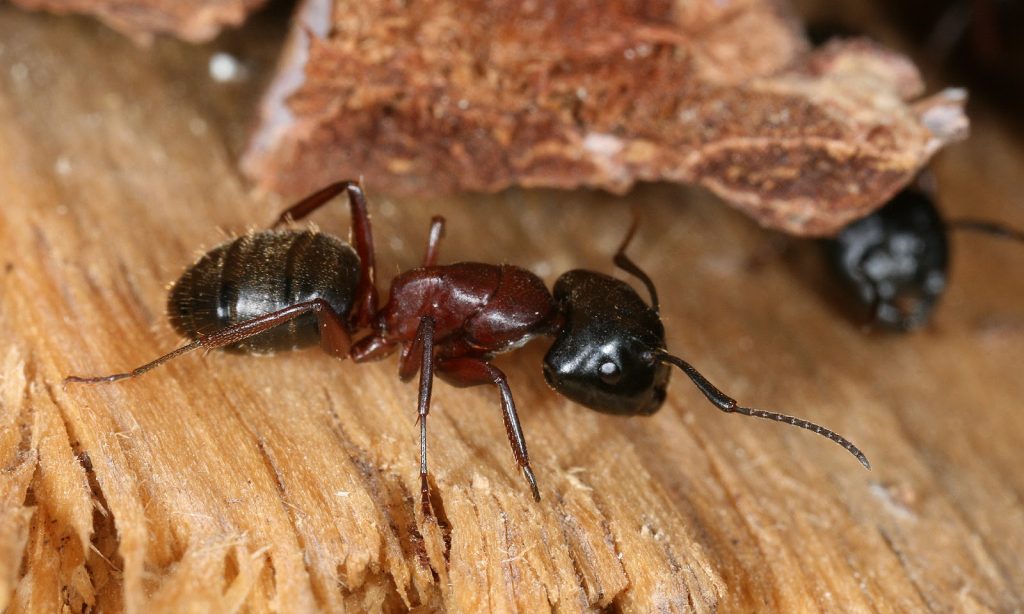
By now, you’ve probably realized that carpenter ants don’t just disappear when the temperatures start falling. Instead, they hibernate inside your home and become active again once the weather begins to warm up.
Keeping these insects from invading your home before the snow flies is the only surefire way to avoid having them during the winter months. This means that you need to take action as soon as temperatures begin to rise since carpenter ants will begin to emerge from their nests in search of food and water.
Here are some tips for preventing carpenter ant infestation:
Seal up Any Cracks and Crevices in Your Home
How do you avoid getting ants in your house? By sealing up any cracks or crevices that they could potentially use to get inside, of course!
Carpenter ants are excellent climbers and can easily find a way into your home, no matter how small the opening is. Therefore, you must check around windows, doors, and foundation vents for any gaps where carpenter ants could potentially enter.
If you find any, seal them immediately with caulk or weatherstripping. This will help ensure that your home remains pest-free in the months to come.
If, for some reason, you cannot seal up every opening, consider using baits or traps to keep the ants from infesting your home.
Keep Your House Clean and Debris-Free
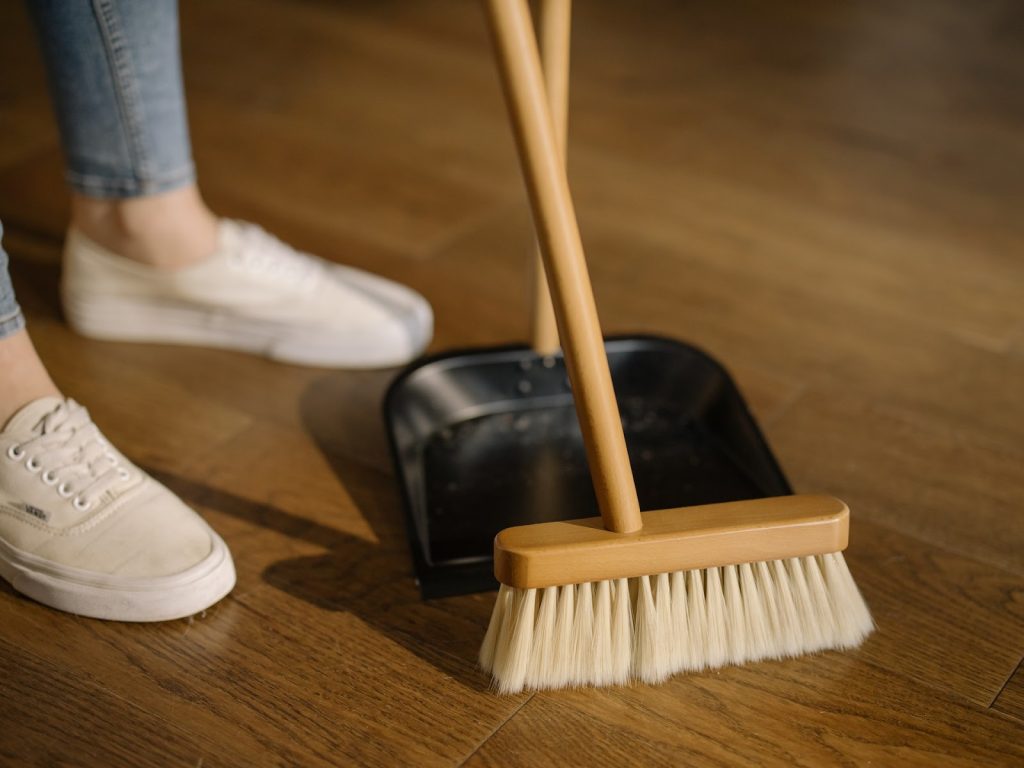
Like any other insect, carpenter ants love a dirty and cluttered house. Not only is it easier for them to find food and water sources, but they’ll also feel more at home in a cluttered environment.
Keeping your home clean and debris-free will help deter carpenter ants from moving in, so make sure that you regularly remove any junk or clutter around the house.
Look for any drips or leaks around your house, and fix them as soon as possible. Leaks and moisture can attract carpenter ants like magnets, so make sure that you’re vigilant about sealing up any cracks or holes in your home.
Use Natural Repellents to Keep Carpenter Ants at Bay
If you’re really worried about carpenter ants invading your home, consider using some natural repellents to keep them out.
There are a variety of non-toxic products on the market that can deter these insects from moving in, including essential oils and homemade deterrent sprays.
For example, you can try using peppermint oil in your home or on your lawn to keep carpenter ants away. Simply add a few drops of the essential oil to some water and spray it around any cracks or openings outside.
You can also mix peppermint oil with water and use it to mop your floors inside, as the strong scent will help keep carpenter ants away.
Wrapping Up
So, where do carpenter ants go in the winter?
The simple answer is that they hibernate inside your home, looking for sources of food and water.
Fortunately, there are a few ways to keep carpenter ants out of your home during the colder months. By following the tips above, you can keep your house free from these pesky insects and avoid an infestation this winter!
Recommended Reading: