
Being a colder state works in favor of Ohio regarding common household pests such as ants. In general, ants prefer warmer, drier weather conditions, but some can and do adapt to colder climates.
The most common ant species in Ohio are Pharaoh Ants, Formica Ants, and Carpenter Ants. Fire Ants exist but aren’t as common as the other three.
The chances of facing a fire ant or worker ant infestation are low, but it’s still a possibility, and if it does happen, it needs to be dealt with carefully.
Fire ants, also known as red ants, are infamous not only for their color but also for the painful bite if they feel threatened.
Worker Ants Bites
In reality, fire ants are one of the most common species that don’t bite; they sting.
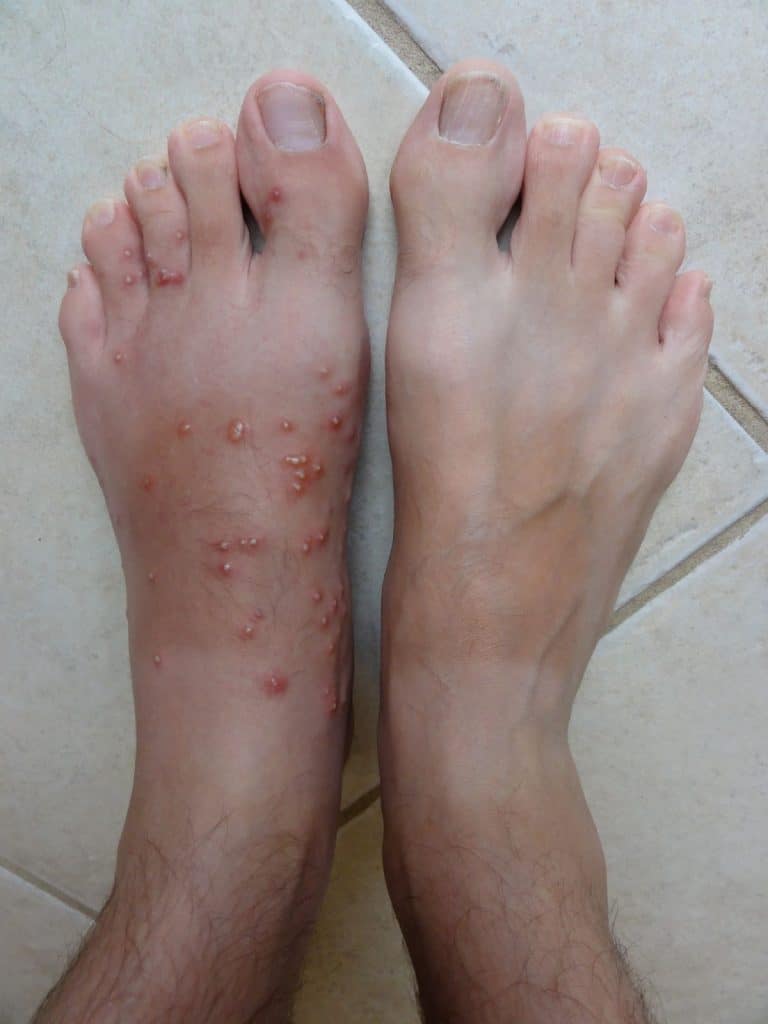
A single ant can deliver multiple stings in a single instance. Not only is the sting quite uncomfortable, but it is usually followed by swelling, itchiness, and a small bump, much like a mosquito bite.
Venom
The sting passes along a small amount of venom. This venom brings some discomfort and minor swelling.
For those that are allergic, it can lead to more severe consequences. Many people feel nauseous and experience difficulty breathing, and the location of the sting can cause extreme discomfort.
Treatment
If a person is bitten by a fire ant or even has multiple bites, the best thing to do is wash the area with soap and water and then ice it. This helps to remove any toxins in and around the bite and also helps to provide some relief to the area.
The venom in the fire ant bites causes itchiness, and the more venom you wash away, the less irritable the bite will be.
Since these ants are not very common in Ohio, most people don’t know if they are allergic to their bites. If you are uncertain, then definitely talk to a doctor.
Nests
If you have spotted one of these pavement ants, you can be sure a fire ant colony is nearby. Fire ants are one of those species that live in large ant nests.
They are small insects, usually ⅛ of an inch long. They are around the same size as the odorous house ant, and the nest is also small, but it can be home to hundreds of thousands of ants.
Queens
Fire ants are among the few species that accommodate multiple queens in their nests, unlike other ant colonies. It is not uncommon for there to be 5,6 or even a dozen queens in a single nest.
With so many queens, the nest population can easily be in the millions, and together these ants can cause destruction to property and assets and be a serious health hazard.
Location
Locating a fire ant nest can be harder in regions such as Ohio, where the ground is covered by snow in the colder months. Even inside the house, there is usually a lot of insulation between roofs, floors, and walls, giving the ant nest a natural camouflage and hiding traces of their activity.
Fire ants prefer to make their nests in open areas where they have access to sunlight and also have access to plenty of soft soil where they can burrow deep into the ground. Green pastures, lawns, playgrounds, empty land patches, and even forests are where fire ants will likely develop their nests.

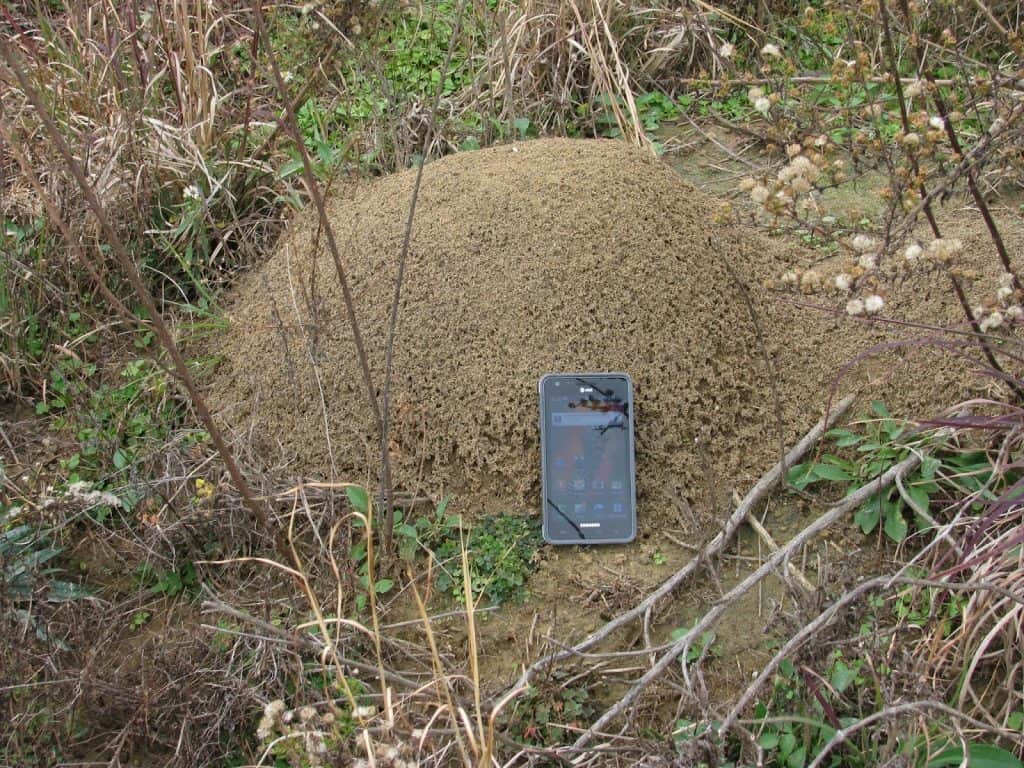
When making nests out in the open, fire ants tend to cover them with soil they dig up from the underground nest. In some cases, this might just be a small pile of soil on the ground, but it can be a much bigger mound.
In Ohio, fire ants have been known to make nests in crawl spaces, attics, under flooring, behind drywall, and any other space where they will remain relatively undisturbed, have a stable climate, and have close access to a food source and water, just as other ants feed.
If you notice bits of sand, dust, or debris in an area in your home, it could be a sign of fire ants developing a nest underneath that spot.
Indoor Prevention
The only reason people face ant infestation issues on their property is that the ants have easy access to food and water.
Given the harsh weather in Ohio, it becomes very difficult for ants to find water and food out in the open, giving them more reason to venture into a home to find resources.
The best prevention strategy is to protect all food and water sources from these insects. The most common area for ants to attack are the kitchen and the living room.
Try to store all your fruit and vegetables in the fridge. If you have a pantry, ensure all the edibles are stored in airtight containers or in some container that ants can’t get into. Not leaving dishes in the sink or crumbs of food on the counter will also help significantly in reducing the chances of an ant infestation.
Taking extra care with cleanliness, such as mopping floors, wiping down cooking and eating surfaces, and ensuring all food storage containers are clean, will also help. Use trash bins with lids to prevent ants from getting food from there.
Outdoor Prevention
Fire ants that have adapted to the cold Ohio winters will develop nests several feet underground, where they get a very stable temperature and remain unaffected by weather conditions.
You might find ants entering your property to look for food and water. If they have nests outside your property and find food and water in the house, it won’t be long before they start developing a nest closer to their resources.
Check all your windows, doors, and other entrances to ensure a tight seal. Caulk around any plumbing or wiring leading into the house to ensure pests cannot enter from there.
Check your attic and any layers of insulation to ensure that there is no condensation in those spaces. Water attracts ants; if water can get in, so can they.
Try to remove any vegetation close to your home’s base and ensure that all drains and gutters are clean and water is flowing freely through them.
For more information, see How To Get Rid of Fire Ants in the Yard?
Conclusion
If you find a fire ant infestation on your property, your best option is to call an expert to handle the situation. Just by looking at the top of the nest, it is very difficult to gauge how deep it goes and how many ants you might have on your property.
When you kill and crush a fire ant, it releases a pheromone which attracts other fire ants and triggers them to attack as a swarm which can become extremely dangerous.
The safest and most effective approach is to let a professional take care of the problem.
Recommended Reading: