
Carpenter ants are found in many parts of the world, including the USA, and are known for their ability to tunnel into wood and create nests. They are attracted to moist or rotting wood, and will often build their nests in trees that are already damaged or weakened.
However, it’s not uncommon to see carpenter ants nesting inside a healthy tree by burrowing into wood. While they do not directly kill trees, they can cause significant damage to trees if their nesting activity is not controlled and over time the tree can actually die.
Let’s discuss how carpenter ants can lead a tree to die and how you can identify carpenter ant infestation inside a tree.
How Can Carpenter Ants Kill a Tree?
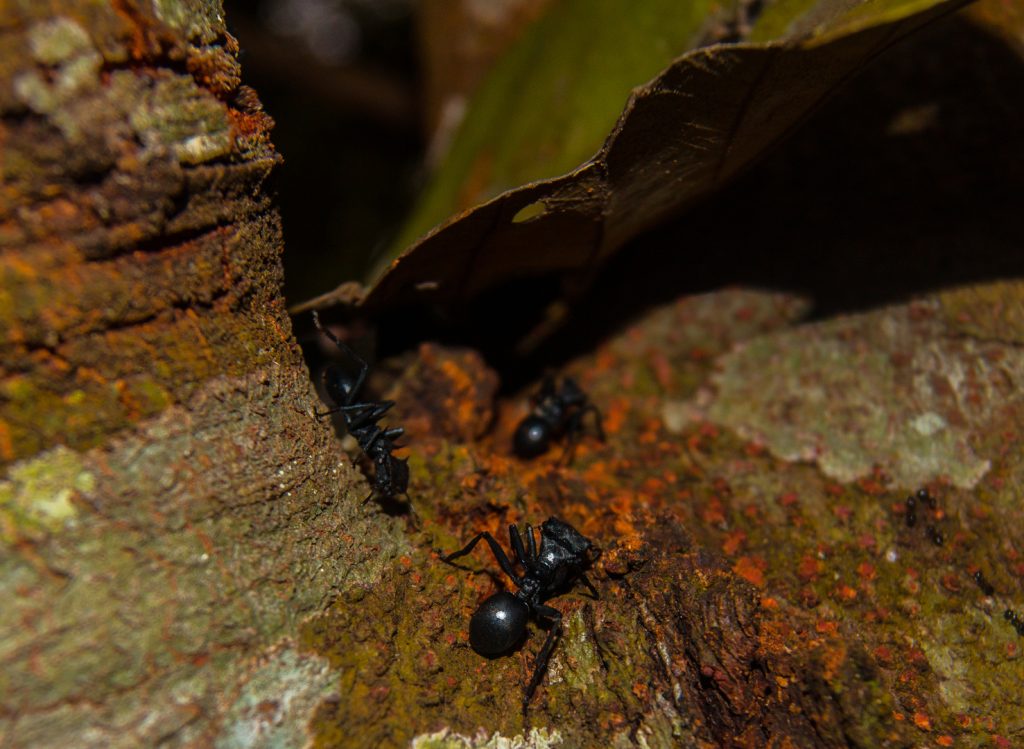
Carpenter ants do not directly kill trees, but their presence and nesting activity can damage a tree and make it more susceptible to other problems that may ultimately lead to its death.
When carpenter ants build their nests in a tree, they burrow deep into the wood. They don’t eat wood but chew it away to create tunnels and chambers that can weaken the structural integrity of the tree.
This can make the tree more susceptible to wind damage and diseases, and may ultimately lead it to die. These insects also tend to forage for food in trees, which can lead to further damage.
Carpenter ants feed on the sap of the tree and plants, as well as living and dead insects and/or other small animals that may be living in the tree. This feeding activity can further weaken the tree and make it weaker.
How to Detect a Carpenter Ants Nest in a Tree
The following are some tried-and-true methods that you can use to detect a carpenter ant nest in a tree.
Look for Visible Signs of Carpenter Ant Colony

Carpenter ants are typically larger than most other ants, ranging from about 1/4 to 1/2 inches in length. They can be black or red, (but can be a combination of both), and they have a smooth, segmented body with a narrow waist.
If you see these ants crawling on the tree trunk or branches, it could be a sign of an infestation. You may also see small piles of wood shavings or sawdust, with remnants of other insects, at the base of the tree, which is another indication of an ant problem.
Check for Visible Holes or Openings
Carpenter ants will create small holes in wood to access their nests, so you may be able to spot these openings if they are present.
These holes will typically be about the size of a pencil or even smaller. If the tree already has a tree wound, consider inspecting that as well.
Look for the Presence of Swarmers
Swarmers are winged ants that are often seen during the spring months. These are reproductive ants and they show that the colony is about a couple of years old, which also means that carpenter ant tree damage has already been done.
Use a Flashlight to Inspect the Tree at Night
Carpenter ants are nocturnal, so they are most active at night gathering food. Using a flashlight to examine the tree after dark can help you spot these ants easily.
Be sure to look for ants crawling on the trunk or branches, as well as any piles of sawdust or wood shavings that may be present. Don’t forget to wear long boots to ensure your safety.
See When Are Carpenter Ants Most Active?
What Should You Do if there’s a Carpenter Ant Nest Inside a Tree?
If you discover that there is a carpenter ant nest inside a tree, it’s important to take action to address the problem as soon as possible. Here are a couple of steps you can take.
Use Pesticides
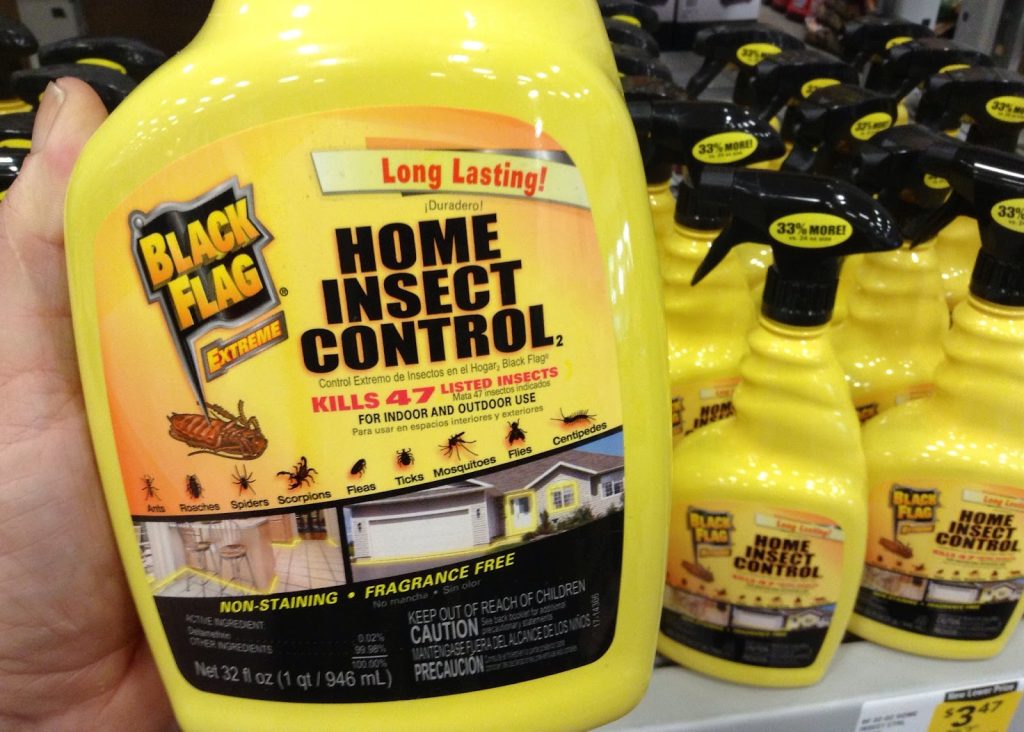
You’ll need to dust/pour an insecticide directly into the nest cavity to kill the ants living in the tree. There are several different types of pesticides available in the market and you’ll need to make sure that you use insecticide that’s labeled for use on trees.
It’s important to follow the instructions on the pesticide label carefully and use the product safely and effectively.
Contact a Certified Arborist
If the infestation is severe, you might need to call a certified arborist, who has the knowledge and experience to identify and treat tree pests and diseases. They can assess the extent of the infestation and recommend the best course of action for treating the problem.
It’s important to contact a certified arborist as soon as you suspect that your tree is infested with carpenter ants to prevent further damage.
Eliminate Both Parent and Satellite colonies
When trying to eliminate carpenter ant infestation, you need to deal with both parent and satellite colonies to prevent these ants from returning to the tree.
Parent Colony
This is where workers, broods, and the egg-laying queen are located. The parent colony is usually found in rotting tree stumps, injured or dying trees, or within the walls or wooden structures that are frequently exposed to moisture.
Keep in mind that ants can forage and travel long distances from the parent colony, so it’s important to search as broadly as possible.
Satellite colonies
These colonies typically contain worker ants, mature larvae, and pupae. They can often be found in rotted wood in old window frames, shingles, or wood siding that is constantly exposed to moisture.
You can also find them on nearby trees, close to the parent colony, that are in declining health or have experienced stressors.
Final Words
While carpenter ants can cause significant damage to a tree, they generally do not kill it outright. However, if left unchecked, an infestation can weaken the tree and make it more vulnerable to diseases and wind damage.
This can ultimately lead to the decline or death of the tree if the infestation is not addressed promptly.
Therefore, it’s important to take steps to address carpenter ant infestations as soon as they are discovered in order to protect the health and longevity of the tree.
Recommended Reading: